
PRODUCTS CENTER
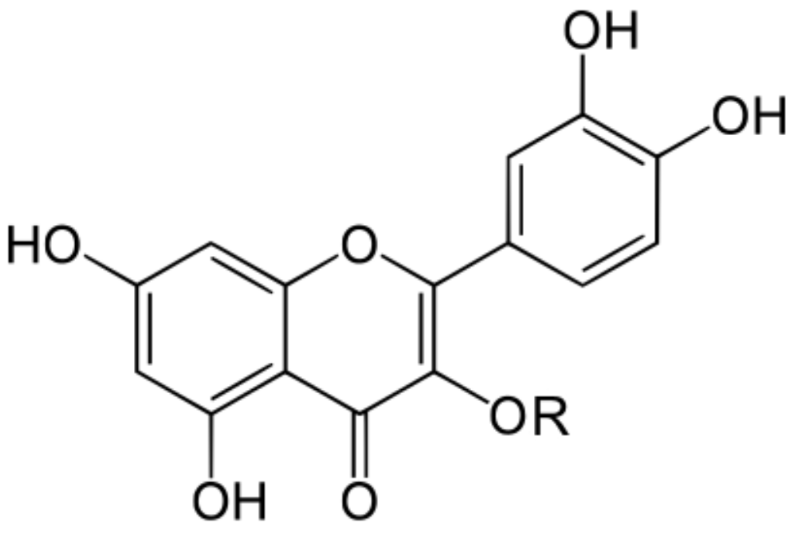
Quercetin is a plant flavonol from the flavonoid group of polyphenols. It is found in many fruits, vegetables, leaves, seeds, and grains; capers, red onions, and kale are common foods containing appreciable amounts of it. It has a bitter flavor and is used as an ingredient in dietary supplements, beverages, and foods. Quercetin has been reported to inhibit the oxidation of other molecules and hence is classified as an antioxidant in vitro. It contains a polyphenolic chemical substructure that stops oxidation in vitro by acting as a scavenger of free radicals. Quercetin has been shown to inhibit the PI3K/AKT pathway leading to downregulation of the anti-apoptotic protein Bcl-w. Quercetin activates or inhibits the activities of a number of proteins in vitro. For example, it is a nonspecific protein kinase enzyme inhibitor.
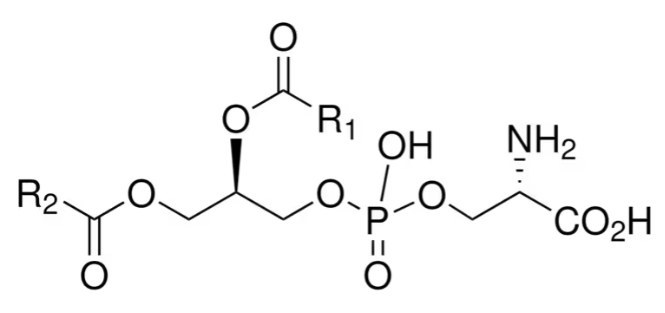
Phosphatidylserine (abbreviated Ptd-L-Ser or PS) is a phospholipid and is a component of the cell membrane. It plays a key role in cell cycle signaling, specifically in relation to apoptosis. It is a key pathway for viruses to enter cells via apoptotic mimicry. Its exposure on the outer surface of a membrane marks the cell for destruction via apoptosis. Its main function is to improve the function of nerve cells, regulate the transmission of nerve pulses, and enhance brain memory function. Due to its strong lipophilicity, it can quickly enter the brain through the blood-brain barrier after absorption, playing a role in soothing vascular smooth muscle cells and increasing blood supply to the brain.
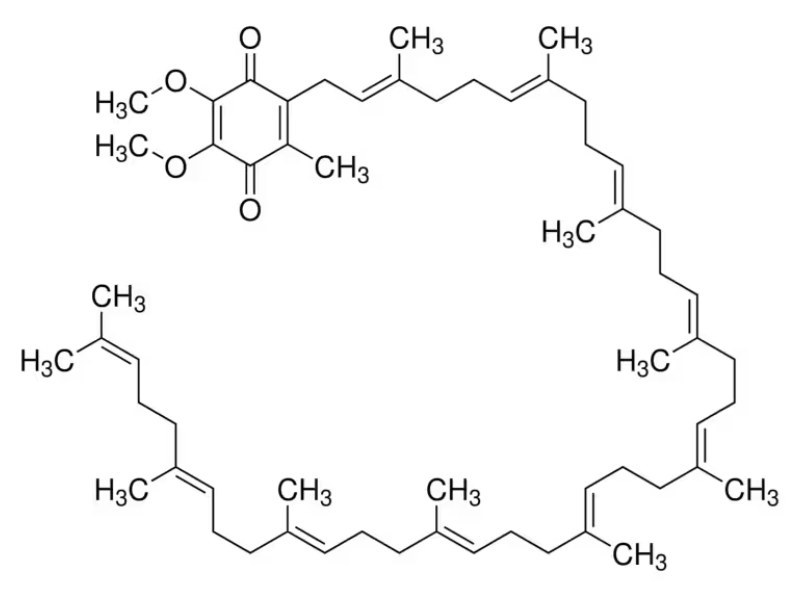
Coenzyme Q is a coenzyme family that is ubiquitous in animals and most bacteria (hence its other name, ubiquinone). In humans, the most common form is coenzyme and ubiquinone-10. Coenzyme Q10 is a 1,4-benzoquinone, in which Q refers to the quinone chemical group and 10 refers to the number of isoprenyl chemical subunits (shown enclosed in brackets in the diagram) in its tail. In natural ubiquinones, there are from six to ten subunits in the tail. Coenzyme Q is a metabolic activator that can activate cellular respiration and accelerate the production of adenotriphosphate (ATP). Coenzyme Q is also a natural antioxidant produced by cells themselves, which can inhibit mitochondrial peroxidation and protect the structural integrity of biofilms. Coenzyme Q has a non-specific enhancing effect on immunity, which can increase the phagocytic rate of phagocytes, increase antibody production, and improve T cell function.
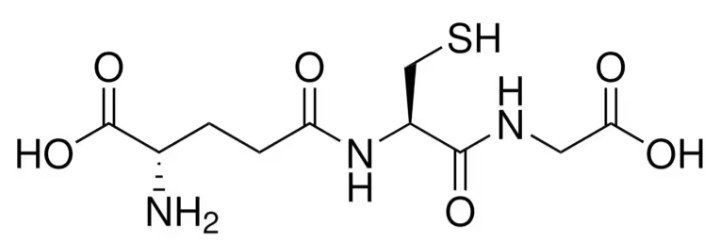
Glutathione (GSH) is an antioxidant in plants, animals, fungi, and some bacteria and archaea. Glutathione is capable of preventing damage to important cellular components caused by sources such as reactive oxygen species, free radicals, peroxides, lipid peroxides, and heavy metals. It is a tripeptide with a gamma peptide linkage between the carboxyl group of the glutamate side chain and cysteine. The carboxyl group of the cysteine residue is attached by normal peptide linkage to glycine. Glutathione is a subunit of glyceraldehyde phosphate dehydrogenase, as well as a coenzyme of glyoxalase and phosphotriose dehydrogenase. It participates in the tricarboxylic acid cycle and sugar metabolism, enabling the body to obtain high energy. It can activate SH enzymes, such as cholinesterase (related to allergic diseases), to protect from the toxicity of heavy metals and epoxy compounds. It can promote the metabolism of carbohydrates, fats, and proteins, while also controlling the metabolic process of cells, and has radiation protection and inhibition of melanin deposition.

Science Wins Infinite Future


Research